The Nourishing Home

living healthier lives in service to the King!

  • Home
  • About
    • About TNH
    • Contact
  • Meal Planning
  • Health & Wellness
    • Real Food Basics
  • Whole30
  • GF Recipes
    • Whole30
    • Breakfast
    • Lunch
    • Entrées
    • Slow Cooker
    • Soups & Stews
    • Sides & Salads
    • Snacks
    • Desserts
    • Kids in the Kitchen
  • My Cookbook
  • Subscribe

Life After Whole30: How to Evaluate Your Progress and Reintroduce Foods

By Kelly · 18 Comments

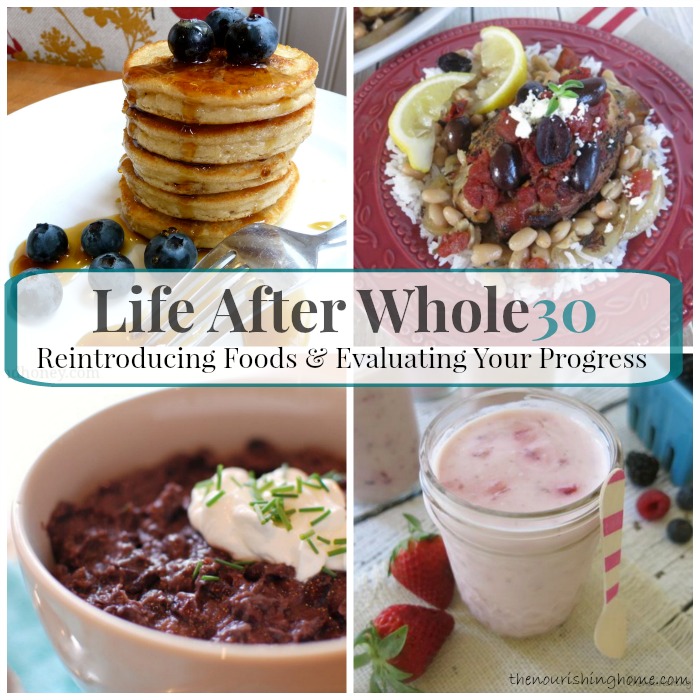
Life After Whole30 How to Successfully Reintroduce Foods & Evaluate Your Progress

Congratulations! If you’re reading this, you’ve probably just finished (or are about to finish) The Whole30 Program.

And if you’re like many of us who’ve completed this life-changing program, your mind is most likely racing … It’s the moment you’ve been dreaming of for weeks! And now that it’s finally here, you may find yourself feeling a bit nervous as you ponder the big post-Whole30 question … What should I reintroduce first?

But before we dive into how to properly reintroduce your most-missed morsels from the restricted foods list, it’s important to first do a little self-evaluation.

Taking some time to think through your Whole30 journey will go a long way in helping you to better appreciate the positives you’ve experienced, and better recognize if perhaps more time is needed before you launch into the reintroduction phase of the program.

Personally, I opted to do a Whole45 because as I evaluated my progress at the end of 30 days, I felt I needed more time to get past some of the unhealthy cravings I was still battling, and I felt I needed more time to detox and heal from a very unhealthy summer. I also wanted to better establish the self-control I had gained as a result of completing Whole30.

Of course for some people, 30-days may be all that’s needed, while for others, a Whole90 may be in order. Only you can determine the best course of action at the end of your 30-day journey.

But knowing what the best course of action won’t be clear, unless you take some time to evaluate your progress first.

How to Properly Reintroduce Restricted Foods

So back to the question we’ve all been pondering … What should I reintroduce first?

Of course, this is a question only you can answer. But I do have a few helpful suggestions …

1) Start by making a list of the restricted foods you miss most and want to include in your diet either regularly, or somewhat regularly.

2) Then, choose ONE of the foods from your list to reintroduce first. Be sure to keep the rest of your diet as Whole30 compliant as possible, except for this one restricted ingredient you’ve selected to reintroduce. Add this food to your diet and carefully evaluate its impact on your health, mood, cravings, sleep, etc. (See “Reintroduce Just One Food at a Time” below.)

Go S L O W !

I definitely encourage you to read through Whole30’s recommendations on how to successfully reintroduce restricted foods and check out their sample schedule – after all, they’re the experts who developed this amazing program.

I also can’t recommend enough Whole30’s advice to go slow! In fact, I personally prefer going even slower than the Whole30 folks recommend. Why? Just because our body doesn’t immediately react when a restricted food is reintroduced doesn’t mean it’s an automatic “green light” telling us we can safely enjoy that food regularly, or even occasionally.

That’s because some foods don’t cause an immediate reaction, but may take a longer period of time before we start to see how that food is negatively impacting our bodies. That’s why I prefer to reintroduce just one new food over a 5-7 day period of time, without introducing any other restricted foods during that week-long time span.

In other words, if the food I’m reintroducing into my diet doesn’t appear to be causing a negative reaction, I continue to eat it daily for up to one week. Then I remove the food and go back on a strict Whole30 diet for 2-3 days and carefully evaluate how the reintroduced food impacted my body both physically and mentally. This helps me to better decide whether or not I want to incorporate this food back into my regular diet, and if so, how much and how often?

Reintroduce Just One Food at a Time

On a similar note, it’s also my personal opinion that it’s best to reintroduce just one particular food from a food group at a time – not the entire food group all at the same time, and not a food that contains multiple restricted ingredients. Again, this is my personal opinion, based on my past experiences with allergy-specific elimination diets.

The reason is, just because one food in a food group causes a reaction, does not mean all foods in that food group will cause the same reaction, or will cause a reaction to the same extent.

Now, I know some will disagree with this recommendation, and that’s okay. Everyone is different and each person should decide for themselves how best to reintroduce suspect foods. I also know some might not like this approach, because it certainly does slow down the reintroduction phase.

Yet, it’s been my personal experience that the best way to truly know what the real impact is of each particular food I reintroduce into my diet is to go slow and reintroduce just one food at a time. Otherwise, if you introduce more than one restricted ingredient and get a reaction, you won’t know which to blame. For example, if introducing rice, don’t add butter to the rice, because that would be introducing two restricted foods at the same time.

Understanding which foods cause our bodies to react negatively will help us to clearly decide whether the negative consequences of the reintroduced food far exceed the pleasure of eating it, or whether we have some wiggle room to enjoy certain restricted foods from time to time without having to “pay the piper” so to speak.

The bottom line – the reason it’s best to only reintroduce one food at a time is because if you reintroduce more than one new food at the same time and get a reaction, you won’t know which food is to blame.

What if there are foods I don’t want to include back into my diet? Simple – don’t reintroduce those foods. For example, if you’re not missing beans, then don’t reintroduce them. Instead, fill your plate with other healthier Whole30 vegetables and fruits that you enjoy.

New from Whole30: Create Your Own Custom “Life After Whole30” Meal Plans!

Custom Whole30 Meal Plans

Exciting news! … Of course you always have access to my free GF meal plans here and over at The Better Mom blog. But now, our friends at Whole30 have teamed up with Real Plans to offer you the option of totally customizable “Life After Whole30” meal plans to help you slowly reintroduce restricted foods back into your diet. This unique meal planning system allows you to create custom menus based on your unique tastes, preferences and schedule. How cool is that? [Click here to learn more about this brand new customizable Whole30 meal planning resource.]

Determining “Your Life After Whole30” Strategy

Figuring out which foods to reintroduce back into your diet and how often to do so isn’t the end-all of a successful Whole30 program.

Instead, taking time to think through what we’ve learned while on Whole30 and then using that knowledge to formulate an action plan for moving forward are truly the most important things we can do to ensure that the healthy changes we’ve made the past 30+ days become a solid foundation that we can continue to build upon.

If you’re like me, and so many others who’ve completed Whole30, you’re probably most amazed by the sense of freedom that comes from gaining better self-control as we learned to kick our cravings to the curb and replace them with healthier eating habits. I believe this is truly one of the most empowering aspects of The Whole30 Program and is one that should really give us confidence that we can continue to make positive changes that impact our health (and our family’s) for the better.

That’s why I appreciate the practical wisdom of the Whole30 team in encouraging us to really think through our personal life after Whole30 strategy. Each of us have our own reasons for taking the Whole30 Challenge, and these reasons – as well as the personal healthy living goals we set – will greatly influence our commitment to remaining on the path to better health and well-being.

Continuing Our Healthy Living Journey Together!

Of course, you know there are plenty of free resources here at The Nourishing Home to help encourage you and support you with your healthy living goals. But I also wanted to remind you that I provide free monthly meal plans over at The Better Mom blog. Each week’s meal plan contains delicious family-friendly GF recipes utilizing a time-saving method to make getting a healthy dinner on the table a snap! I highly recommend you pop over to The Better Mom and download these free meal plans.

Now it’s time to share your story …

What positive changes have you seen as a result of taking the Whole30 challenge? And what is your action plan for reintroducing your favorite restricted foods back into your diet and in moving forward with your healthy living goals?

You’ll find my personal story and action plan in the first comment below.

I look forward to hearing your story!
You Might Also Like:

How to Make Sweet Potato Buns {GF, Whole30}
How to make The Ultimate Pico de Gallo!
One-Skillet Savory Chicken & Veggies {Whole30}

Filed Under: Whole30 ·

30 Favorite Whole30 Recipes

By Kelly · 4 Comments

30 Favorite Whole30 Recipes

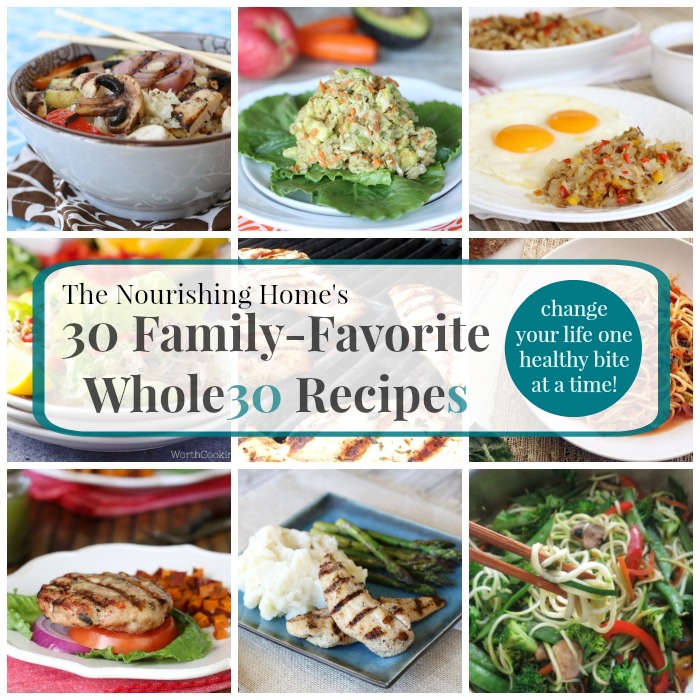
Whether you’re taking The Whole30 Challenge or not, if you’re looking for some delicious and nutritious gluten-free, grain-free recipes, then this post is for you! From tasty grain-free breakfasts and lunch ideas to quick and easy dinner recipes that the whole family will enjoy, this helpful recipe round-up features 30 of my family’s favorite Whole30 recipes!

Of course, if you aren’t sure what Whole30 is all about, please click here to learn how you can jumpstart your health and get started (or make better progress) on your healthy living journey with this free program. In a nutshell, the Whole30 program will help you to retrain your brain and body to thrive on REAL food, while also helping you to identify potentially problematic foods that may be sabotaging your health.

Personally speaking, taking the Whole30 Challenge has been one of the most rewarding experiences in my real food journey! Whole30 has not only helped me to get back on track with my healthy living goals after a stressful summer of not-so-healthy eating, but it’s also helped me to achieve relief from the symptoms of my chronic autoimmune issues, enjoy increased energy levels (yay!) and is also helping me to confirm several food sensitivities that I’ve long-suspected may be negatively impacting my health.

30 Favorite Whole30 Recipes

Although I’ve completed Whole30, I most certainly will continue to enjoy these delicious recipes for years to come, because they’re not only healthy and perfect for those living gluten-free and grain-free – they TASTE GREAT! So without further ado, here are 30 terrific recipes that you’ve got to try, whether you’re taking The Whole30 Challenge or not …

Whole30-Friendly Breakfasts

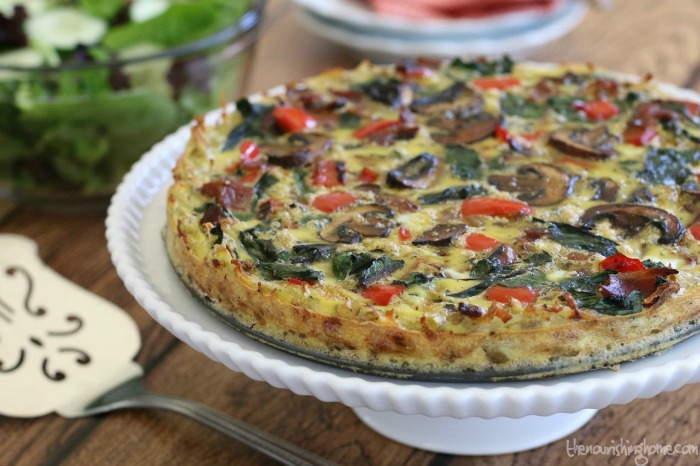
Veggie Quiche wHash Brown Crust Horiz

• Veggie Quiche with Hashbrown Crust (shown in photo above)
• Mini-Fritatta Muffins
• Savory Baked Eggs & Veggies
• Simply Healthy Hash Browns w/Eggs & Bacon
• Smoky Sweet Potato Hash
• Turkey Breakfast Sausage Patties
• Veggie Egg Scramble

Lunch Ideas for Whole30

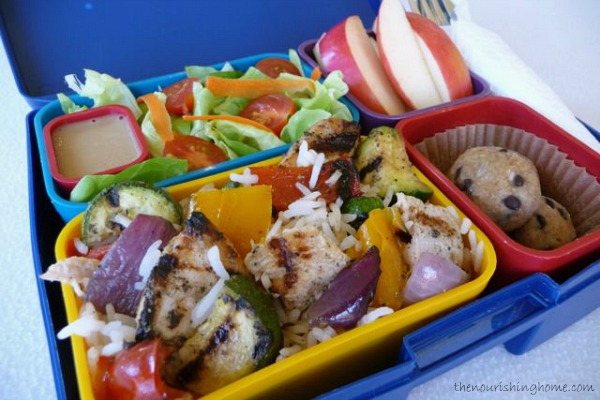
Fajita-Bowl

• Leftovers to Lunch: Chicken & Veggie Bowls (shown in photo above)
• Avocado Egg Salad
• Chicken Salad Lettuce Wraps
• Pizza Fritatta
• Mango Chicken & Lettuce Wraps
• Spicy Tuna Cakes
• Turkey BLT Roll-Ups

Family-Friendly Whole30 Dinners

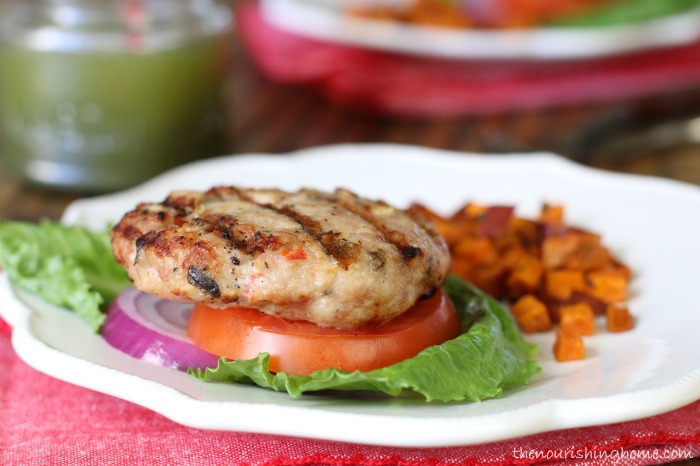
Southwestern Chicken Burgers 2

• Southwestern Chicken Burgers w/Roasted Herb Sweet Potatoes (shown in photo above)
• Chimichurri Chicken & Veggie Kebobs w/Seasoned Cauli-Rice 
• Blackened Salmon with Mango-Avocado Salsa
• Creamy Pumpkin Soup w/Crispy Bacon Bits
• Cream of Broccoli Soup
• Chicken Zoodle Soup
• Grilled Pineapple Chicken w/Pineapple Salsa
• Grilled Skirt Steak with Balsamic Marinade
• Savory Chicken & Veggie Bites
• Slow Cooker Roasted Chicken
• Slow Cooker Rotisserie Chicken
• Slow Cooker Chicken Fajita Bowls w/Seasoned Cauli-Rice
• Slow Cooker Beef Stew
• Slow Cooker Garlic Thyme Chicken
• Slow Cooker Pot Roast
• Veggie Zoodle Stir Fry

Looking for more terrific Whole30-friendly recipes? Be sure to check out my Whole30 Board on Pinterest!

What are YOUR favorite Whole30-Friendly recipes? Please leave a note below to let us know your recommendations as well. I love our community here and how we continually encourage one another! Thank you!

You Might Also Like:

Simple & Savory Watermelon Salsa
Made With Love Chicken Noodle Soup (GF, DF)
Savory Chicken & Veggie Bites

Filed Under: Beef/Pork, Egg Dishes, Poultry, Whole30 ·

Simple Healthy Hash Browns {3 Tips for Perfect Hash Browns Every Time!}

By Kelly · 26 Comments

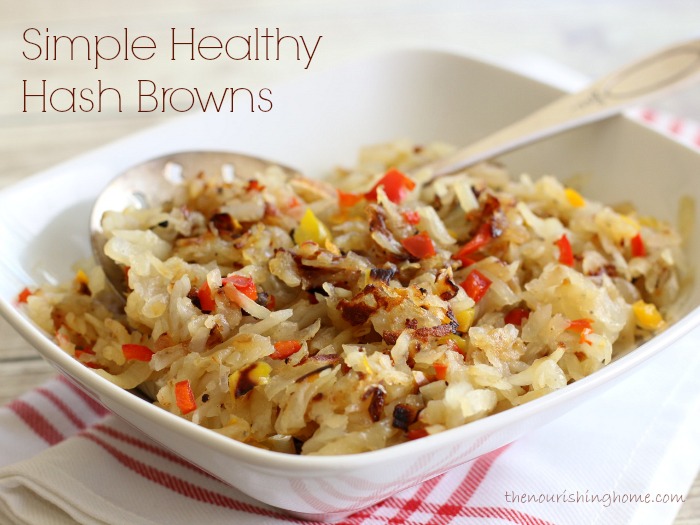
Simple Healthy Hash Browns

Exciting News: This is just one of a bunch of Whole30 Recipes here at The Nourishing Home. PLUS I’ll be sharing even more Whole30-compliant recipes as we start our next Whole30 Challenge 2016. (P.S. You can join us anytime you’re ready to Jumpstart Your Health with Whole30!)

When it comes to classic breakfast side dishes, I know you may be thinking that a girl with roots in the South should be pretty partial to grits, right? Yet, the fact is, I’ve never been a fan, even when I wasn’t grain-free. (Thankfully my family hasn’t disowned me.)

Instead, as you’ve probably guessed from this post – I’m all about breakfast potatoes – homemade hash browns to be exact. Incase you’ve attempting making hash browns in the past, and have been sorely disappointed in their often soggy, gummy texture, I’ve got good news for you! I’m sharing the secrets to hash brown making perfection that will ensure a crisp and delicious result every time!

3 Tips for Ensuring Crisp & Tender Healthy Hash Browns:

1. Proper Potato Prep – Shred potatoes (using a food processor with shred-disc is best, but a box grater will do). Soak shredded potatoes in water to release starches. Thoroughly dry shredded potatoes by pressing between kitchen towels. This is key for crispier results!

2. Seasoning is Your Friend – Be generous in using fine chopped onion and bell pepper, along with sea salt and pepper to turn up the taste!

3. Do Not Disturb! – The process goes like this … Cook undisturbed. Flip potatoes in sections. Cook undisturbed. Flip in sections. Repeat until perfect.

Now, let’s put these top tips into action! My savory recipe below has just three simple ingredients. Yet, combined with a little dash of sea salt and pepper, and a whole lot of love, your family will want to kiss you!

Simple Healthy Hash Browns Close Up

So … make LOTS, because they’re the perfect side dish whether it’s breakfast or dinnertime. Plus, they keep well in the fridge or freezer, and can easily be reheated in a skillet.

P.S. If you’re not fond of white potatoes – no worries – sweet potatoes make unbelievably delicious hash browns too!

Print
Simple Healthy Hash Browns (GF, DF)

4-5 servings

Ingredients

  • 2 tbsp ghee (or coconut oil)
  • 1/4 cup fine diced yellow onion
  • 1/3 cup fine diced red bell pepper (or use yellow & red combo)
  • 3 medium russet potatoes (or white sweet potatoes - they're less sweet than orange)
  • Sea salt and pepper to taste

Instructions

  1. Dice the onion and pepper first, so that they’re ready to go once you shred the potatoes.
  2. Then, peel the potatoes (or leave them unpeeled if you'd prefer). Use a box grater or the shredder attachment on your food processor to shred the potatoes.
  3. Be sure to follow the tips in the post above on how to properly prepare your shredded potatoes.
  4. Heat a large skillet (preferably cast iron) over medium-high heat. Once hot, add ghee, onion and peppers. Sauté for a minute, then add the shredded potatoes, making sure to evenly distribute across the skillet.
  5. Allow potatoes to cook undisturbed for a few minutes, then carefully flip section by section. Continue to cook as noted in tips above, until golden brown.
  6. Transfer to a serving dish and enjoy!

Notes

Leftovers Tip: My kids love it when I make breakfast burritos using leftover hash browns. I just beat a couple of eggs and add them to a hot skillet and scramble the potatoes and eggs together. Then, add the potato-egg mixture to warm tortillas, roll them up and serve with a side of pico de gallo and sliced avocado. If you’re grain-free like me, I highly recommend keeping some of Danielle’s amazing GF tortillas on hand. That way, you can enjoy the burrito fiesta as well!

3.1
https://thenourishinghome.com/2014/10/simple-healthy-hash-browns/

Disclosure: Some of the links in this post include affiliate links, providing The Nourishing Home a small percentage of the sale at no additional cost to you. Of course, you are not obligated to use these links to make a purchase, but if you do, it helps to support this site and ministry. Thank you!

You Might Also Like:

Roasted Herb Sweet Potato Bites
Simple Soaked Brown Rice (Gluten-Free)
Potato Casserole Lasagna {Whole30, GF, DF}

Filed Under: Sides, Whole30 ·

  • « Previous Page
  • 1
  • …
  • 14
  • 15
  • 16
  • 17
  • 18
  • …
  • 25
  • Next Page »

My New Cookbook is Here!

Welcome to The Nourishing Home!

I’m so glad you’re here and want you to feel right at home! My heart in creating this blog is to help you by sharing helpful meal planning strategies and nourishing GF recipes that are healthy, easy and delicious with thanksgiving to God! [Read More …]


All content (recipes, photos, posts, etc.) on this site is the creative property of Kelly Smith. You are welcome to share a photo via social media, as long as it contains a link back to the corresponding recipe or post from this site. However, you may not republish a recipe in its entirety in any form. For questions, or for permission to use a photo or recipe, please contact me via email at [email protected]. Thank you!

Please Note: All content (recipes, photos, text, etc.) on this site is the creative property of Kelly Smith of The Nourishing Home. You are welcome to share a photo via social media, as long as it contains a link back to the corresponding recipe from this site. However, re-publishing a recipe in any form is strictly prohibited. Additionally, please refrain from adapting recipes without properly linking back to the original recipe, and keep in mind that simple substitutions do not constitute an adapted or original recipe. For details regarding recipe copyright law, please visit the Food Blog Alliance.
The Nourishing Home is a participant in the Amazon Services LLC Associates Program, an affiliate advertising program designed to provide a means for sites to earn advertising fees by advertising and linking to amazon.com.

Privacy Policy
DMCA.com

Copyright © 2026 · All Rights Reserved · The Nourishing Home · Artwork by Nancy Panaccione · Site Design by Deluxe Designs · Log in