The Nourishing Home

living healthier lives in service to the King!

  • Home
  • About
    • About TNH
    • Contact
  • Meal Planning
  • Health & Wellness
    • Real Food Basics
  • Whole30
  • GF Recipes
    • Whole30
    • Breakfast
    • Lunch
    • Entrées
    • Slow Cooker
    • Soups & Stews
    • Sides & Salads
    • Snacks
    • Desserts
    • Kids in the Kitchen
  • My Cookbook
  • Subscribe

What is Real Food?

By Kelly · 10 Comments

whole food lifestyle

In a nutshell (from a Christian perspective), Real Food is about eating what God created, as close to the way that He created it as is possible.

Sadly, much of the food we eat today is nothing like the nourishing foods our ancestors ate just a hundred years ago, let alone in centuries prior. Unfortunately, due to an industrialized society in which instant-gratification has become the norm, most people have moved away from eating the healthy whole foods to eating man-made processed distortions of the real food graciously given to us by our Creator.
So it really shouldn’t be a big surprise to see the skyrocketing disease and illness prevalent today. Just as one example, Type 2 diabetes in children was relatively unheard of just 50 years ago, but it is now considered one of the top health concerns of our nation. In fact, the CDC predicts that if our nation continues in the current trend, approximately one in three children born since the year 2000 will become diabetic. It’s important to note that the single largest risk factor for developing Type 2 diabetes is obesity, followed by insulin resistance, which are, of course, directly related to an individual’s diet.

So, what do we do?
My humble opinion is, we can either turn a blind eye to the rapidly declining nutritional value of the pseudo-foods and GMOs marketed and sold in our country as food. Or we can choose to humbly go back to our roots and focus on eating what our Creator designed for us – real food. After all, He knows best what we need to maintain health and vitality – He created us!

IMPORTANT NOTE: Before I explain the premise behind what I like to call the “back-to-real-food” movement, I want to take just a moment to clarify my intentions and motivations. I’m not saying that eating real food makes someone more Godly, or more accepted by God. We gain acceptance by God through Jesus Christ alone. Additionally, the Lord is quite clear in His word, that “man does not live by bread alone, but by every word that comes from the mouth of God” (Matthew 4:4). So, the most important thing we need to ingest is His Word. Therefore, our pursuit of health and wellness should be focused not on our own personal gain, but with the goal of being good stewards of our bodies in order that we might be more useful in serving the Lord and advancing His Kingdom.

I hope that the above sidebar helps to clarify that I am not advocating the pursuit of a false God (idol) in my life or anyone else’s. So, with that said, let’s move forward with a brief discussion about what real food is  …
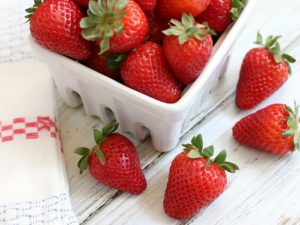
In a nutshell, Real Food is:
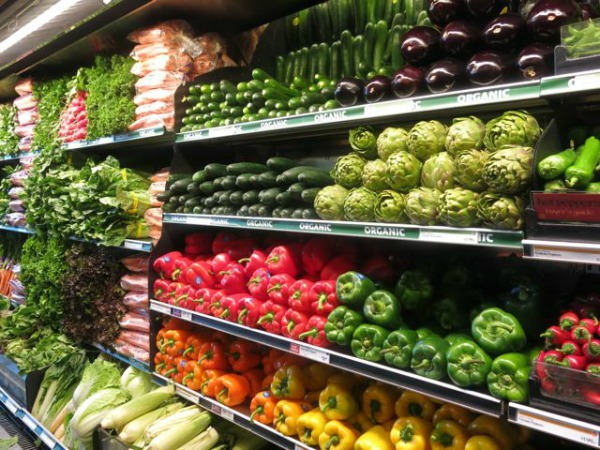
• Organic (and in the case of meat, preferably grass-fed)
• Whole and unrefined (processed as little as possible)
• Nutrient-dense (full of vitamins, minerals, enzymes and probiotics)
• Free of additives, fillers, preservatives and synthetic/chemical ingredients
• Not genetically modified (No GMOs)
• 
Traditionally prepared (i.e. fermenting, soaking/sprouting seeds and nuts for example)

In addition, below are some helpful guidelines (abbreviated) from the Weston A. Price Foundation, which I hope will shed a little more light into what “real food eating” is all about.

In simplest terms (from a Christian perspective), it’s about eating what God created, as close to the way that He created it as is possible.
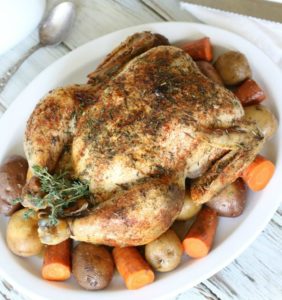
Real Food Dietary Guidelines:
• Eat whole, unprocessed foods.
• Eat pasture-fed meats: beef, lamb, game, organ meats, poultry and eggs.
• Eat wild fish (not farm-raised) and shellfish from unpolluted waters.
• Eat raw, organic, pastured whole milk products (if you opt to include dairy), such as: raw milk, raw cream, yogurt, kefir, cultured butter and raw cheeses.
• Use animal fats, such as lard and butter.
• Use traditional pure vegetable oils: extra virgin olive oil, avocado oil, and the tropical oils – coconut oil and palm oil.
• Eat fresh fruits and vegetables (preferably organic and raw, if your digestion system can tolerate, or eat lightly steamed for best nutritional value).
• If you are not living grain-free, then be sure that the grains you eat have been traditionally prepared to neutralize phytic acid, enzyme inhibitors and other anti-nutrients. This also applies to legumes and nuts.
• Include enzyme-enhanced lacto-fermented vegetables, fruits, beverages and condiments in your diet on a regular basis.

• Prepare homemade stocks and bone broths from the bones of pasture-fed chicken, beef, lamb and fish and use liberally in soups, stews, gravies and sauces.
• Use filtered water for cooking and drinking.
• Use unrefined salt (such as Celtic sea salt or Real Salt) and a variety of herbs and spices.
• Make your own salad dressings using fresh whole ingredients.
• Use natural sweeteners in moderation, such as raw honey, pure maple syrup, coconut sugar, and maple sugar.

In closing, I do want to again point out that true nourishment – of eternal lasting value – only comes through knowing and serving the Lord. If you want to know more about how to get real life – eternal life – I implore you on behalf of the Lord Jesus Christ, to please read the Good News!

Joyfully Serving Him, Kelly
Disclosure: Some of the links in this post include affiliate links, providing The Nourishing Home a small percentage of the sale at no additional cost to you. Of course, you are not obligated to use these links to make a purchase, but if you do, it helps to support this site and ministry.

You Might Also Like:

What are GMOs? (and how to avoid them)
8 Tips for Real Food on a Budget {and how to set healthy living goals}
Stocking Your Pantry/Fridge with Whole Food GF Cooking Essentials

Filed Under: Real Food Basics, What is Real Food ·

What are GMOs? (and how to avoid them)

By Kelly · 6 Comments

To ensure your foods are GMO-free, look for the “Non GMO Project Verified” seal. Click on the logo for details!

Many are unaware of the fact GMOs are increasingly impacting our nation’s food supply, so I thought it important to include a post on what GMOs are and why/how to avoid them.

What is a GMO? 
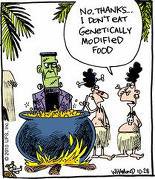
Genetically modified organisms (GMOs) are made by forcing genes from one species, such as bacteria, viruses, animals or humans, into the DNA of a food crop or animal to introduce a new trait. Thus, the term to describe them – “Frankenfoods” – was born!  For more facts about GMOs, please visit the Non-GMO Project.

Why Should I Avoid GMOs?
The American Academy of Environmental Medicine reported that “several animal studies indicate serious health risks associated with GM food,” including infertility, immune problems, accelerated aging, faulty insulin regulation, and changes in major organs and the gastrointestinal system. For more about the dangers of GMOs, click here.

How to avoid GMOs
• Buy Organic: Certified organic products cannot intentionally include any GMO ingredients.

• Look for Non-GMO Project Seals: Products that carry the Non-GMO Project Seal are independently verified to be in compliance with North America’s only third party standard for GMO avoidance, including testing of at-risk ingredients.

• Avoid at-risk ingredients: If it’s not labeled organic, or verified non-GMO, avoid products made with ingredients that might be derived from GMOs. For a complete listing, visit the Institute of Responsible Technology and also read the Top 10 GMO Foods.

• Download IRT’s free Non-GMO Shopping Guide.

You Might Also Like:

8 Tips for Real Food on a Budget {and how to set healthy living goals}
Tips for Transitioning to a GF Lifestyle
What is Real Food?

Filed Under: Real Food Basics, What is Real Food ·

Raw Cookie Dough Bites (GF)

By Kelly · 85 Comments


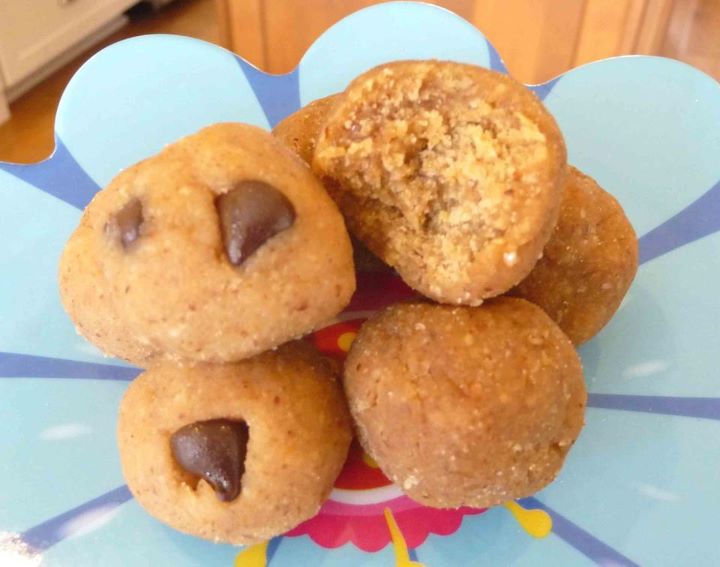
Who doesn’t like raw cookie dough, especially when it’s packed with wholesome nutrition?

These delicious little “raw cookie dough” bites are simply an adapted version of my raw almond butter truffles recipe. These are one of my boys’ favorite lunchbox treats, so they never mind helping to whip them up!

There are three different recipes to enjoy, to be sure to keep scrolling to view all three! For some helpful Kids in the Kitchen tips and strategies, check out Cultivating Little Sous Chefs.

Can’t get enough raw cookie dough bites? Neither can we! Be sure to check these other great raw cookie recipes:
• Raw Cacao-Coconut Cookie Bites
• Raw Almond Butter Truffles

P.S. These scrumptious raw cookie bites make a beautiful Gift-in-a-Jar no matter what the holiday or special occasion. 

Print
Chocolate Chip Cookie Dough Bites

Yield: 18 cookie bites

Chocolate Chip Cookie Dough Bites

Ingredients

  • 1/2 cup creamy raw almond butter
  • 1/4 cup, plus 1 tbsp raw honey
  • 1/2 tsp vanilla extract
  • 1/4 cup, plus 1 tbsp coconut flour
  • 3 tbsp ground flaxseed (or use an additional teaspoon or two of coconut flour)
  • 1/4 tsp sea salt
  • 1/4 cup fair trade chocolate chips (or carob chips)

Instructions

  1. In a large bowl, mix together the raw almond butter, honey and vanilla until creamy and well blended.
  2. In a separate bowl, mix together the coconut flour, ground flax seed and salt. Add the dry ingredients to the wet and mix well to combine.
  3. Use your hands to knead the dough to thoroughly combine. If it's too wet, add a bit more coconut flour. If the dough is too dry and doesn't hold together well, knead in one teaspoon of water. Fold in the dark chocolate chips or carob chips.
  4. Then, scoop out tablespoon-size portions and roll into one-inch balls using your hands to create a bite-sized treat.
  5. *Refrigerate truffles for 30 minutes before serving.

Notes

*I place the cookie bites on a baking sheet about an inch apart and freeze them until frozen solid. Then I place them in freezer-safe containers by flavor. That way, I can just pop whatever I need in the frig to defrost a bit before serving. Or you can place the frozen cookie bites right into your child's lunchbox. Yum!

Recipe Variation: Use 100% all natural peanut butter (the kind you have to stir) instead of raw almond butter to make yummy Peanut Butter Chocolate Chip Dough Bites.

3.1
https://thenourishinghome.com/2012/03/429/

Print
Gingersnap Cookie Dough Bites

Yield: 18 cookie bites

Gingersnap Cookie Dough Bites

Ingredients

  • 1/2 cup creamy raw almond butter
  • 1/4 cup, plus 1 tbsp raw honey
  • 1 tsp vanilla extract
  • 1 tsp organic blackstrap molasses
  • 1 tsp ground ginger
  • 1/4 cup, plus 1 tbsp coconut flour
  • 3 tbsp ground flaxseed (or use an additional teaspoon or two of coconut flour)
  • 1/4 tsp sea salt

Instructions

  1. In a large bowl, mix together the raw almond butter, honey, vanilla, molasses and ground ginger until smooth and creamy.
  2. In a separate bowl, mix together the coconut flour, ground flax seed and salt. Add the dry ingredients to the wet and mix well to combine.
  3. Use your hands to knead the dough to thoroughly combine. If it's too wet, add a bit more coconut flour. If the dough is too dry and doesn't hold together well, knead in one teaspoon of water.
  4. Then, scoop out tablespoon-size portions and roll into one-inch balls using your hands to create a bite-sized treat.
  5. Optional: Roll gingersnap dough balls in some ground flax seed before refrigerating.
  6. *Refrigerate truffles for 30 minutes before serving.

Notes

*I place the cookie bites on a baking sheet about an inch apart and freeze them until frozen solid. Then I place them in freezer-safe containers by flavor. That way, I can just pop whatever I need in the frig to defrost a bit before serving. Or you can place the frozen cookie bites right into your child's lunchbox. Yum!

3.1
https://thenourishinghome.com/2012/03/429/

Print
Snickerdoodle Cookie Dough Bites

Yield: 18 cookie bites

Snickerdoodle Cookie Dough Bites

Ingredients

  • 1/2 cup creamy raw almond butter
  • 1/4 cup, plus 1 tbsp raw honey
  • 1 tsp vanilla extract
  • 1/2 tsp ground cinnamon
  • 1/4 cup, plus 1 tbsp coconut flour
  • 3 tbsp ground flaxseed (or use an additional teaspoon or two of coconut flour)
  • 1/4 tsp sea salt

Instructions

  1. In a large bowl, mix together the raw almond butter, honey, vanilla and cinnamon until smooth and creamy.
  2. In a separate bowl, mix together the coconut flour, ground flax seed and salt. Add the dry ingredients to the wet and mix well to combine.
  3. Use your hands to knead the dough to thoroughly combine. If it's too wet, add a bit more coconut flour. If the dough is too dry and doesn't hold together well, knead in one teaspoon of water.
  4. Then, scoop out tablespoon-size portions and roll into one-inch balls using your hands to create a bite-sized treat. (Optional: Mix together three tablespoons of ground flax seed with 1/4 teaspoon of ground cinnamon. Then, roll the snickerdoodle dough balls in this mixture before refrigerating.)
  5. *Refrigerate truffles for 30 minutes before serving.

Notes

*I place the cookie bites on a baking sheet about an inch apart and freeze them until frozen solid. Then I place them in freezer-safe containers by flavor. That way, I can just pop whatever I need in the frig to defrost a bit before serving. Or you can place the frozen cookie bites right into your child's lunchbox. Yum!

3.1
https://thenourishinghome.com/2012/03/429/

*Disclosure: If you opt to purchase using the affiliate links in this post, a small portion of the sale goes to support The Nourishing Home at no additional cost to you. There is no obligation to purchase, but if you do, you are helping to support the free resources, meal plans and recipes here at The Nourishing Home. Thank you!

You Might Also Like:

Kid's Favorite Fruit Pizza (GF Option)
Spiced Holiday Nuts {Easy & Delicious Homemade Gift-in-a-Jar}
Almost Oatmeal Cookies (Grain-Free, Egg-Free, Dairy-Free Option)

Filed Under: Cookies/Bars/Brownies, Kid Friendly Recipes, Sweet ·

  • « Previous Page
  • 1
  • …
  • 170
  • 171
  • 172
  • 173
  • 174
  • …
  • 182
  • Next Page »

My New Cookbook is Here!

Welcome to The Nourishing Home!

I’m so glad you’re here and want you to feel right at home! My heart in creating this blog is to help you by sharing helpful meal planning strategies and nourishing GF recipes that are healthy, easy and delicious with thanksgiving to God! [Read More …]


All content (recipes, photos, posts, etc.) on this site is the creative property of Kelly Smith. You are welcome to share a photo via social media, as long as it contains a link back to the corresponding recipe or post from this site. However, you may not republish a recipe in its entirety in any form. For questions, or for permission to use a photo or recipe, please contact me via email at [email protected]. Thank you!

Please Note: All content (recipes, photos, text, etc.) on this site is the creative property of Kelly Smith of The Nourishing Home. You are welcome to share a photo via social media, as long as it contains a link back to the corresponding recipe from this site. However, re-publishing a recipe in any form is strictly prohibited. Additionally, please refrain from adapting recipes without properly linking back to the original recipe, and keep in mind that simple substitutions do not constitute an adapted or original recipe. For details regarding recipe copyright law, please visit the Food Blog Alliance.
The Nourishing Home is a participant in the Amazon Services LLC Associates Program, an affiliate advertising program designed to provide a means for sites to earn advertising fees by advertising and linking to amazon.com.

Privacy Policy
DMCA.com

Copyright © 2026 · All Rights Reserved · The Nourishing Home · Artwork by Nancy Panaccione · Site Design by Deluxe Designs · Log in