Update: When The Nourishing Home first launched in 2011, I was following the real food Weston A. Price Foundation’s recommendations for properly preparing grains and saw a dramatic improvement in my health. This post is an overview of the research I reviewed during that time period and provides basic information on how to properly soak and prepare grains based on the research at that time. It’s important to note, however, that I am now gluten-free and grain-free. This transition took place after I discovered (in late 2012) that many of my ongoing health struggles were linked to gluten and grains. Once I removed gluten and grain from my diet, I experienced a remarkable health transformation. This is not to say everyone should be GF, but only to inform you that I have found it to be personally beneficial as someone who has chronic autoimmune/inflammatory illnesses. Despite the fact that I am now 100% gluten-free and grain-free, I opted to leave this information about soaking grains available on my site, because I do believe that for those who can consume grains, proper preparation is essential. If you have questions about soaking grains, please contact the Weston A Price Foundation, and of course, take the time to do your own research on the topic. Thank you!
At first glance, soaking may seem intimidating, time-consuming and even risky – after all, who would actually leave prepared food out on the counter for 12-24 hours before cooking it? Well, the truth is … your ancestors did!
So before we explore the joys of soaking, first allow me to assure you that soaking is quick, easy and best of all, it’s 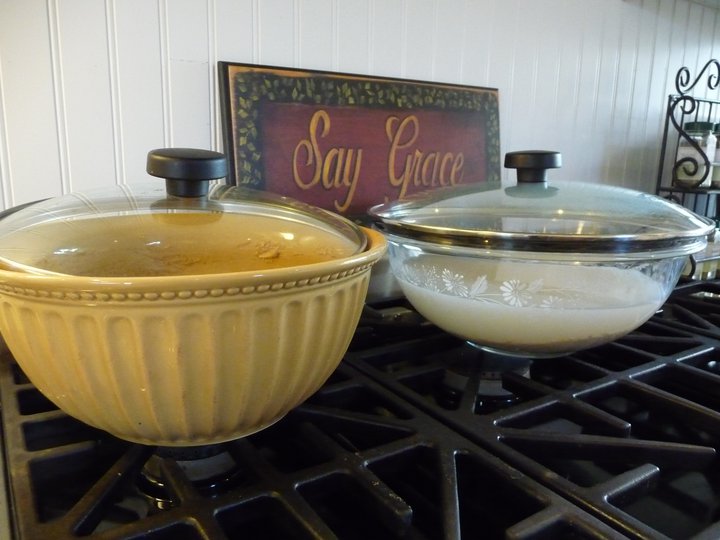 significantly beneficial to your health! In fact, soaking and sprouting grains is a key component in adopting a Real Food Lifestyle.
Why Soak Your Grains?
In a nutshell, the centuries-old process of soaking grains, also known as culturing, helps to breakdown the antinutrients and hard-to-digest components of the grain and at the same time, helps to release highly beneficial nutrients.
Soaking grains really is very easy! It just takes a little planning ahead. The result is a highly nutritious and easy-to-digest whole-grain food with wonderful robust flavor.
So let’s get started! Below are some simple tips to help you discover the joys of soaking.
Why is it so important to remove/reduce phytic acid (phytates)?
Phytic acid is an antinutrient found in grains and legumes which binds important minerals preventing your body from fully absorbing them. Consumption of high levels of phytates:
• results in mineral deficiencies, leading to poor bone health and tooth decay
• blocks absorption of zinc, iron, phosphorous and magnesium
• causes body to leech calcium
• lowers metabolism
• contributes to anemia
Phytase to the Rescue!
Phytase is a natural enzyme that is present in varying degrees within grains, seeds and nuts. This helpful enzyme, when properly activated, works to break down the phytic acid (phytates), and also helps to release beneficial nutrients, making them more bioavailable (more easily digested).
Unfortunately, cooking is not enough to adequately release phytase and reduce phytic acid. Instead, there are three basic methods for utilizing phytase to help reduce phytic acid:
• Sprouting – activates phytase which helps to release important vitamins, as well as makes grains, seeds and beans more digestible. However, according to a recent update by the WAPF “sprouting is a pre-fermentation step, not a complete process for neutralizing phytic acid. Consuming grains regularly that are only sprouted will lead to excess intake of phytic acid.”
• Soaking grains/flour in an acid medium at a warm temperature – also activates phytase thereby helping to release important vitamins, as well as making grains, seeds and beans more digestible. In addition, soaking helps to reduce, or even eliminate phytic acid.
• Souring – another option to reduce/eliminate phytic acid – think sourdough bread,. Sourdough fermentation is by far the preferred method for reducing phytic acid in breads and bread-products.
In general, the best means of significantly reducing phytic acid in grains and legumes is a combination of acidic soaking for considerable time, followed by cooking.
It’s important to note that not all grains contain enough phytase to eliminate phytic acid even when soaked, such as oats and corn. However, wheat flours (such as whole wheat, spelt and kamut) and rye flour contain high levels of phytase. Therefore, adding a small amount of rye flour (or rolled rye flakes) to your oat or corn acid-soak will help to reduce the high levels of phytic acid found in these grains.
Phytate FUNdamental: Did you know that you can help mitigate phytic acid in your diet with complementary foods rich in vitamin C, vitamin D and calcium. In fact, the absorbable calcium from bone broths and raw dairy products, as well as vitamin D from certain animal fats can help to reduce the adverse effects of phytic acid.
A Practical Approach to Phytates
It’s important to note that it is not necessary (or practical) to completely eliminate all phytic acid from the diet, it’s simply best to keep it within reasonable levels.
In practical terms, this means properly preparing phytate-rich foods to reduce at least a portion of the phytic acid, and it’s also recommended to limit consumption of phytate-rich foods to two or three servings per day. However, many experts do recommend that for some individuals, such as children under age six, pregnant women or those with certain medical issues, it is best to consume a diet as low in phytic acid as possible.
Keeping in mind that each person is an individual, and that this article is not intended to diagnose or treat illness (please see your physician for that), research indicates that most problems arise when whole grains, nuts and beans become the major dietary sources of calories.
So the key is to follow traditional food preparation methods (such as soaking), and to seek to maintain a well-balanced diet with an emphasis on low-phytate, nutrient-dense foods making up the majority of your daily caloric intake.
The Key to Effective Soaking
As mentioned above, soaking is an effective method used to help breakdown the difficult to digest components of grains, called phytates. When it comes to soaking, acid mediums are a vital part of the process. That’s because the acid medium serves as a catalyst to initiate the culturing/fermenting process that enables phytase be released.
There are several acid mediums used in soaking. They include dairy based acid-mediums, such as whey, whole milk kefir, cultured buttermilk and whole milk yogurt. Although there is some newer conflicting research suggesting cultured dairy products such as milk kefir, buttermilk and yogurt may result in less phytic acid reduction than previously reported, which has led many to use whey as their primary acid medium of choice.
However, there are several non-dairy acid mediums that can also be used in a soak to effectively reduce phytates. These include: Lemon juice, raw apple cider vinegar and coconut milk kefir or water kefir. So, for those who are dairy sensitive, or simply wish to avoid using dairy, these make great options for soaking.
My personal preference is to use lemon juice or apple cider vinegar as they are very easy to keep on hand. The basic rule of thumb is to use approximately one teaspoon of lemon juice, or apple cider vinegar, mixed with one cup of warm filtered water. Simply use this mixture to replace the liquids in the recipe (so, for example, two cups of milk kefir could be replaced with two cups of water mixed with two teaspoons of lemon juice or apple cider vinegar).
How to properly use acid mediums to achieve an easier to digest, more nutritionally robust grain-based food, is discussed in detail below.
Kefir FUNdamental: Did you know you can make your own kefir? Kefir grains can be purchased to make milk-based kefir, coconut kefir, and kefir water. A great resource for all things cultured is Cultures for Health.
Getting Started …
1. Soaking Whole Grain Flour
Generally, when it comes to soaking flour, it’s as simple as a 12-24 hour soak. Most flour is high in phytase, the enzyme that helps to break down the phytates, so a simple soak is all that is needed to get the most nutritional bang out of your grains! Remember, your soak should contain some form of an acid medium whether you choose to use a dairy option (such as whey, kefir or cultured buttermilk), or a dairy-free option (such as coconut milk kefir, raw apple cider vinegar), it’s up to you!
If you are new to soaking your whole grain flour, start out by following a simple recipe, such as my “24-hour Power Muffins.” Following this easy recipe will enable you to see how simple soaking is, and experience how delicious and nutritious it is too! Then, start exploring more recipes by visiting real food based websites. I also highly recommend Sally Fallon’s book “Nourishing Traditions
2. Whole Grains
Soaking whole unmilled grains (like brown rice for example) is as simple as some *warm filtered water mixed with a small amount of an acid medium. The result of this process is that it helps to break down the hard to digest components of the grain, while releasing the highly beneficial nutrients. (*I use a tea kettle to warm my water until it’s warm to the touch, but not hot/scalding.)
The general rule is to add enough warm water to cover the grain, and then add a small amount of an acid medium to every one cup of grain. As noted above, you can choose a dairy-based acid medium (such as whey), or a dairy-free option (such as lemon juice or apple cider vinegar). Then tightly cover and soak overnight (or up to 24-hours).
Note for Cold Weather Soaking: If you place your soaking rice in the oven with the oven light only on, the rice will stay warm since the oven light will produce some heat to create a nice warm soaking environment. Then be sure to drain, rinse and cook the rice, perferrably in bone broth and butter.
For details on soaking brown rice, check out my Simple Soaked Brown Rice recipe.
Please note: A recent study showed that you can greatly reduce the phytic acid (up to 96%)in brown rice by using a method called accelerated fermentation. For more information, I recommend reading Kitchen Stewardship’s post with details on the process.
• Oats:
The one exception to the above soaking rule is oats. Oats contain a large amount of hard-to-digest phytates and other anti-nutrients. Unfortunately oats are so low in phytase (the enzyme that helps to break down phytates), that soaking them in warm water mixed with an acid medium is not enough to adequately break down the large amount of anti-nutrients that naturally occur.
However, with the help of some additional phytase added to the soak (in the form of rolled rye flakes

This is accomplished by using the following formula:
For every one cup of *oats, add enough warm water to cover the oats, and then add one tablespoon of whey, or one to two teaspoons of a dairy-free acid medium (see note below) and one tablespoon of either rolled rye flakes
Please note: I have found the taste of soaked oats using a dairy-based acid medium (whey or kefir) to be a bit too sour for our liking. So, we use raw apple cider vinegar instead. Give it a try in this delicious Soaked Oatmeal Breakfast Porridge recipe.
*If you’re GF and can tolerate oats, be sure to look for certified GF Rolled Oats
• Buckwheat Groats:
Buckwheat cereal (also called ground buckwheat groats
3. Nuts/Seeds
According to the WAPF’s extensive white paper “Living With Phytic Acid,” there is still not enough adequate research on nut/seed preparation to say with any certainty how much phytic acid is reduced by various preparation techniques. However, it is known that soaking nuts/seeds in warm salt water for approximately seven hours and then dehydrating them to make “crispy nuts” helps to make the nuts more digestible and less likely to cause intestinal discomfort. Additionally, roasting most likely helps to further remove phytic acid, based on research conducted with chickpeas.
An update to the WAPF white paper suggests (although it’s important to note that there are no conclusive research studies specifically sited) that individuals should “use caution when it comes to consuming lots of almonds and other nuts as a replacement for bread products. In these circumstances, an eighteen-hour soak is highly recommended.”
My personal approach is to consume limited amounts of blanched almond flour – one serving daily seems to be fine for me. But each person must find their own balance. Again, I recommend reviewing the principles listed above in the section titled “A Practical Approach to Phytates.” Another option is coconut flour – a delicious and nutritious option for those on a grain-free diet, which is why you will find many recipes using coconut flour here. However, coconut flour is rich in fiber, and for some individuals this may cause issues. That’s why it’s important to do your own research as to the types of foods that will work best for your particular health challenges, and of course to strive for a well varied, balanced diet centered on whole foods.
4. Beans/Legumes
The traditional method for preparing beans is to soak them in hot water (hot to the touch, but not boiling) for at least 12-24 hours, changing the soaking water at least once during this time, followed by a thorough rinsing and then long cooking process. In general, soaking beans and then cooking helps to eliminate approximately 20–50% of the phytic acid depending upon the length of the soak time.
There are conflicting opinions about whether an acid medium is necessary. My personal experience has led me to side, in this case, with the no acid medium option, as I find (as do many others) that the addition of the acid medium reduces the flavor and texture of the bean.
WAPF recommends a very lengthy bean-soaking process of up to 36 hours with the soaking water being changed out and the beans being thoroughly rinsed at least every 12 hours. In addition, WAPF recommends adding a phytase-rich medium to the bean soak to help further improve phytic acid reduction. For those who are eating beans more than once or twice a week, it may be best to heed these instructions in order to keep phytate consumption levels in balance.
For more information about soaking grains, nuts and beans, I highly recommend reading Sally Fallon’s book Nourishing Traditions
My new cookbook is here! With more than 100 irresistible recipes, Everyday Grain-Free Baking teaches you how easy it is to create grain-free, dairy-free versions of all your family’s favorite baked goods.
From breads, biscuits and muffins to savory snacks and decadent treats, you’ll find step-by-step instructions, beautiful color photographs and helpful tips & tidbits to make all of your GF baking adventures a delicious success!


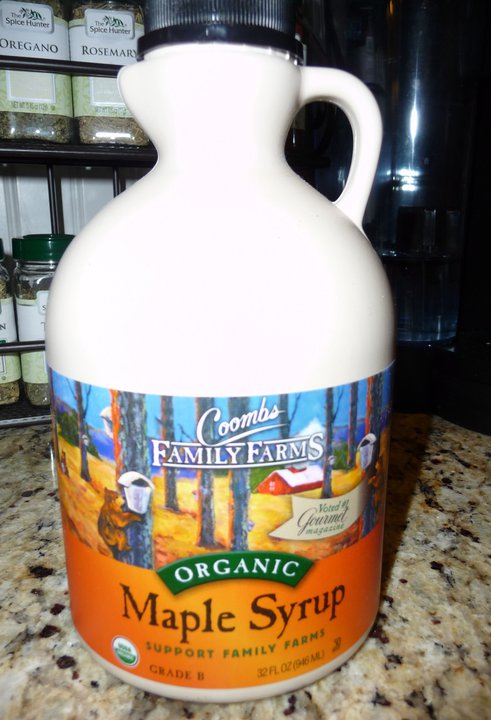
 is a rich and delicious natural sweetener perfect for use in just about any recipe, especially baked goods like quick breads, muffins and cakes. Additionally, pure maple syrup has a higher baking temperature than honey, so it is a better choice for recipes that require baking temps of 350 degrees or higher.
 Coconut Sugar (Coconut Palm Sugar)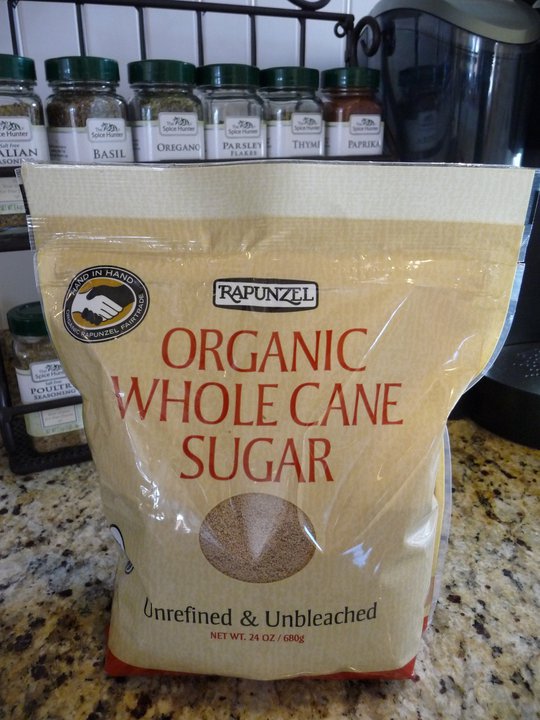

 ,
,  (a good replacement for corn syrup),
  and
and  .
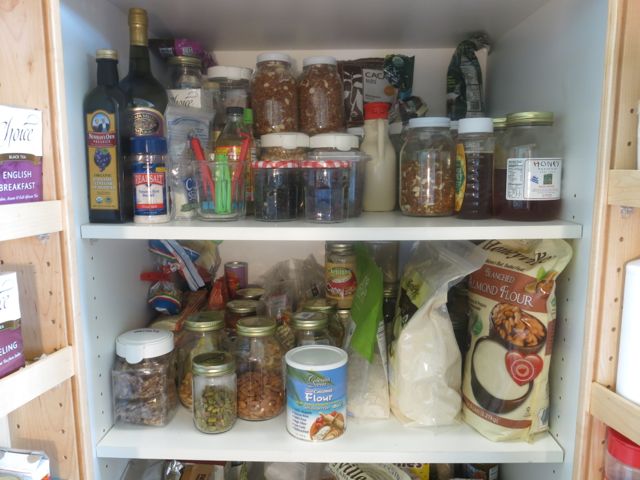
.
 . And of course, there’s chocolate –
  and
and  . (I believe in enjoying some good GF chocolate on occasion.)
 .
. or
or  , GF baking soda, aluminum-free baking powder, various pure organic extracts (vanilla, almond, lemon), etc.
 , pumpkin puree, marinara sauce, assorted vinegars, organic almond butter and