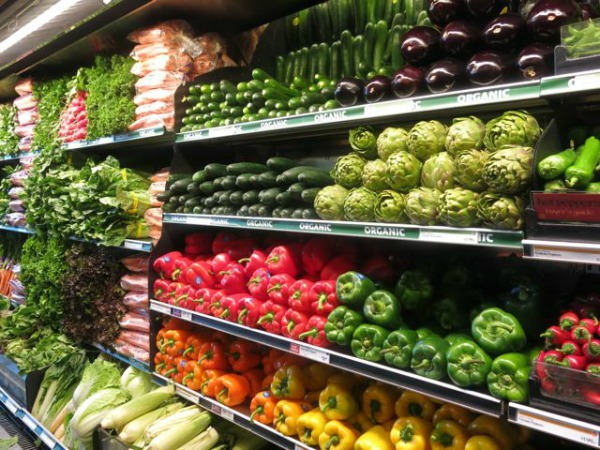
In a nutshell (from a Christian perspective), Real Food is about eating what God created, as close to the way that He created it as is possible.
Sadly, much of the food we eat today is nothing like the nourishing foods our ancestors ate just a hundred years ago, let alone in centuries prior. Unfortunately, due to an industrialized society in which instant-gratification has become the norm, most people have moved away from eating the healthy whole foods to eating man-made processed distortions of the real food graciously given to us by our Creator.
 So it really shouldn’t be a big surprise to see the skyrocketing disease and illness prevalent today. Just as one example, Type 2 diabetes in children was relatively unheard of just 50 years ago, but it is now considered one of the top health concerns of our nation. In fact, the CDC predicts that if our nation continues in the current trend, approximately one in three children born since the year 2000 will become diabetic. It’s important to note that the single largest risk factor for developing Type 2 diabetes is obesity, followed by insulin resistance, which are, of course, directly related to an individual’s diet.
So, what do we do?
My humble opinion is, we can either turn a blind eye to the rapidly declining nutritional value of the pseudo-foods and GMOs marketed and sold in our country as food. Or we can choose to humbly go back to our roots and focus on eating what our Creator designed for us – real food. After all, He knows best what we need to maintain health and vitality – He created us!
IMPORTANT NOTE: Before I explain the premise behind what I like to call the “back-to-real-food” movement, I want to take just a moment to clarify my intentions and motivations. I’m not saying that eating real food makes someone more Godly, or more accepted by God. We gain acceptance by God through Jesus Christ alone. Additionally, the Lord is quite clear in His word, that “man does not live by bread alone, but by every word that comes from the mouth of God” (Matthew 4:4). So, the most important thing we need to ingest is His Word. Therefore, our pursuit of health and wellness should be focused not on our own personal gain, but with the goal of being good stewards of our bodies in order that we might be more useful in serving the Lord and advancing His Kingdom.
I hope that the above sidebar helps to clarify that I am not advocating the pursuit of a false God (idol) in my life or anyone else’s. So, with that said, let’s move forward with a brief discussion about what real food is …
 In a nutshell, Real Food is:
• Organic (and in the case of meat, preferably grass-fed)
• Whole and unrefined (processed as little as possible)
• Nutrient-dense (full of vitamins, minerals, enzymes and probiotics)
• Free of additives, fillers, preservatives and synthetic/chemical ingredients
• Not genetically modified (No GMOs)
• Traditionally prepared (i.e. fermenting, soaking/sprouting seeds and nuts for example)
In addition, below are some helpful guidelines (abbreviated) from the Weston A. Price Foundation, which I hope will shed a little more light into what “real food eating” is all about.
In simplest terms (from a Christian perspective), it’s about eating what God created, as close to the way that He created it as is possible.
 Real Food Dietary Guidelines:
• Eat whole, unprocessed foods.
• Eat pasture-fed meats: beef, lamb, game, organ meats, poultry and eggs.
• Eat wild fish (not farm-raised) and shellfish from unpolluted waters.
• Eat raw, organic, pastured whole milk products (if you opt to include dairy), such as: raw milk, raw cream, yogurt, kefir, cultured butter and raw cheeses.
• Use animal fats, such as lard and butter.
• Use traditional pure vegetable oils: extra virgin olive oil, avocado oil, and the tropical oils – coconut oil and palm oil.
• Eat fresh fruits and vegetables (preferably organic and raw, if your digestion system can tolerate, or eat lightly steamed for best nutritional value).
• If you are not living grain-free, then be sure that the grains you eat have been traditionally prepared to neutralize phytic acid, enzyme inhibitors and other anti-nutrients. This also applies to legumes and nuts.
• Include enzyme-enhanced lacto-fermented vegetables, fruits, beverages and condiments in your diet on a regular basis.
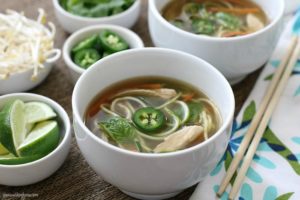 • Prepare homemade stocks and bone broths from the bones of pasture-fed chicken, beef, lamb and fish and use liberally in soups, stews, gravies and sauces.
• Use filtered water for cooking and drinking.
• Use unrefined salt (such as Celtic sea salt or Real Salt) and a variety of herbs and spices.
• Make your own salad dressings using fresh whole ingredients.
• Use natural sweeteners in moderation, such as raw honey, pure maple syrup, coconut sugar, and maple sugar.
In closing, I do want to again point out that true nourishment – of eternal lasting value – only comes through knowing and serving the Lord. If you want to know more about how to get real life – eternal life – I implore you on behalf of the Lord Jesus Christ, to please read the Good News!
Joyfully Serving Him, Kelly

Kelly,
What are your views on the book Gut and Psychology? The possibility of reversing autisum…. for me is GREAT! My daughter is on the autisum spectrum and has ADHD and a developmental delay. I am waiting on the book in the mail but from the recorded seminars I have seen of Dr. McBride-Campbell grains, beans, rice and some flours are to be avoided. I want to follow the guideline from Nourshing Traditions, I want to do the right thing but I am sooooo confused and wanting DESPRATELY to help my baby.
Thanks for your help
Hi, Zsa Zsa. I have the perfect resource for you. It’s Cara at Home, Health and Happiness. She has a daughter with autism and her whole site is dedicated to her GAPS Journey and how it’s helped her daughter. She is considered the guru of all things GAPS and has a TON of resources on her site including help for getting started, cookbooks she sells, along with free recipes, articles about how GAPS helps, etc. I am not following GAPS, although I do believe it is an excellent diet for many with chronic gut health issues. And GAPS does come alongside Nourishing Traditions philosophy although there are many foods that are restricted from the GAPS diet especially during the GAPS intro phase of the diet. Here is Cara’s site address so you can visit and connect with her: http://www.healthhomehappy.com/
Many blessings to you and your precious little girl, Kelly
Clearly you’re trying help others enjoy what you have found to be a good a beneficial way of eating; but you should know that not everyone who might read your blog believes in a “creator.” And for me and others, such talk on a blog about food is a turn-off. Maybe that’s something you’d consider if your main aim is to talk about food, maybe not. Your narrowing your audience base, is all. It’s your blog, I’m not telling you what to do, just offering my perspective.
-Sean
Dear Sean, Thank you for being kind and respectful in your note with regard to my proclamation of the True & Living God, Creator of ALL. Let me kindly say in reply that I love the Lord Jesus Christ and my main aim is to use my passion for cooking and healthy living to bring bring glory to my Lord. All that I do is for His glory because I love Him. So if that offends people, or is a “turn-off” to see someone who is so passionate about living for the Lord, so be it. He was despised and rejected, how I can expect any less – the servant is not greater than the Master.
I love that you left this note here, because I believe it’s God working in your heart to have you kindly ask me to reconsider sharing what I passionately believe because it gives me opportunity to ask you to reconsider what you believe. It’s so strange to me, that foodies can preach about particular diets and adhere to them with religious-like fervor in the pursuit of a longer, healthier life. Yet completely miss the point that this life is but a vapor. What is 70, 80, 90 or even 100 years of life compared with the eternity that we all must face whether we embrace this truth or choose to suppress it and deny the very fact that by striving so desperately to add as many days as we can to our temporal lives we are in fact giving credence to the fact that we know that death is wrong. We know deep down inside that we are eternal beings meant to live forever! It’s written in our hearts by the only One who is eternal – God the Creator.
So my hope with this blog is to help people to see God in all His beauty and glory more fully in all that I do here and everywhere He allows me to be in this life. My heart is on fire for God and to use any abilities He’s given me for His glory, not my own. I want to help people to live healthier lives with the sole purpose of better serving the Lord and it’s my passion to ignite a desire for Him in the hearts of those who know there is a God and for those who are desiring to know Him.
Friend, there is NOTHING in this life more important than knowing God and following hard after Him. No matter what diet you run after the ultimate end for each of us is physical death. So we should be far more concerned about our spiritual life than our temporal life.
So to use my blog to only speak on the temporal is a waste of time when so many need to know the Lord and be encouraged to seek that which truly matters – eternal life in Christ Jesus.
I implore you to please read this post: http://thenourishinghome.com/2012/03/the-good-news/
Blessings and prayers that you will soften your heart to believe in the One who created you.
With Much Love In Christ, Kelly 🙂
Amen! Thanks for you sharing, Kelly. 😀
A great encouragement to me to live healthily to serve God and glorify Him. Indeed nothing else is more important than following our Lord Jesus Christ and knowing God intimately.
God bless
Josephine
God bless you too! Wishing you a healthy and happy new year! 🙂
Love your blog!!! Thank you for all your information !!!!
Keep shining for Jesus!!!!
Thank you for the encouragement, Allison! You are a blessing! 🙂
Wow!!!
My health issues and journey back to wellness is VERY similar to yours. I was diagnosed with IBS 20 years ago and just recently discovered that I also have Gluten sensitivity.
Since stopping gluten and all other grains a few months ago my IBS has entirely disappeared!! The moderate to severe pain is almost completely gone!
I am just discovering grain free cooking, and have been trying to find recipes.
I came across your cookbook and bought it last week. My beloved husband says that the Ultimate Banana Bread is the best banana bread he has ever had!
Your amazing recipes and love for the Lord are truly inspiring.
I admire your passion for our one true God and his son Jesus Christ.
Your determination and eloquent responses to nonbelievers leaves me awestruck!
Keep up the Amazing witnessing!
Your fellow sister in Christ,
Sharon
Wow! Right back at you! Thanks for blessing me with your kind words! I’m so happy the Lord has crossed our paths. I’m so glad that the Lord is helping to heal you through changing to a real food GF lifestyle. If you’re on Facebook, I hope you’ll join my private FB group, we’ve got a wonderful supportive and encouraging forum there. Here’s the link to ask to join, if you’re interested: https://www.facebook.com/groups/TheNourishingHomeCommunity/ 🙂